What Makes Your Homemade Reed Diffuser Last
The Reality
Most of my early homemade reed diffusers smell beautiful for few days.
By week 2, they were barely noticeable.
That’s usually when I started querying the whole thing and thinking homemade fragrance doesn’t last.
It wasn’t about it being homemade. It was how I’d made it.
What Actually Makes it Last
A reed diffuser doesn’t fade randomly. It fades because one of these element is off.
1. Base and Ratio
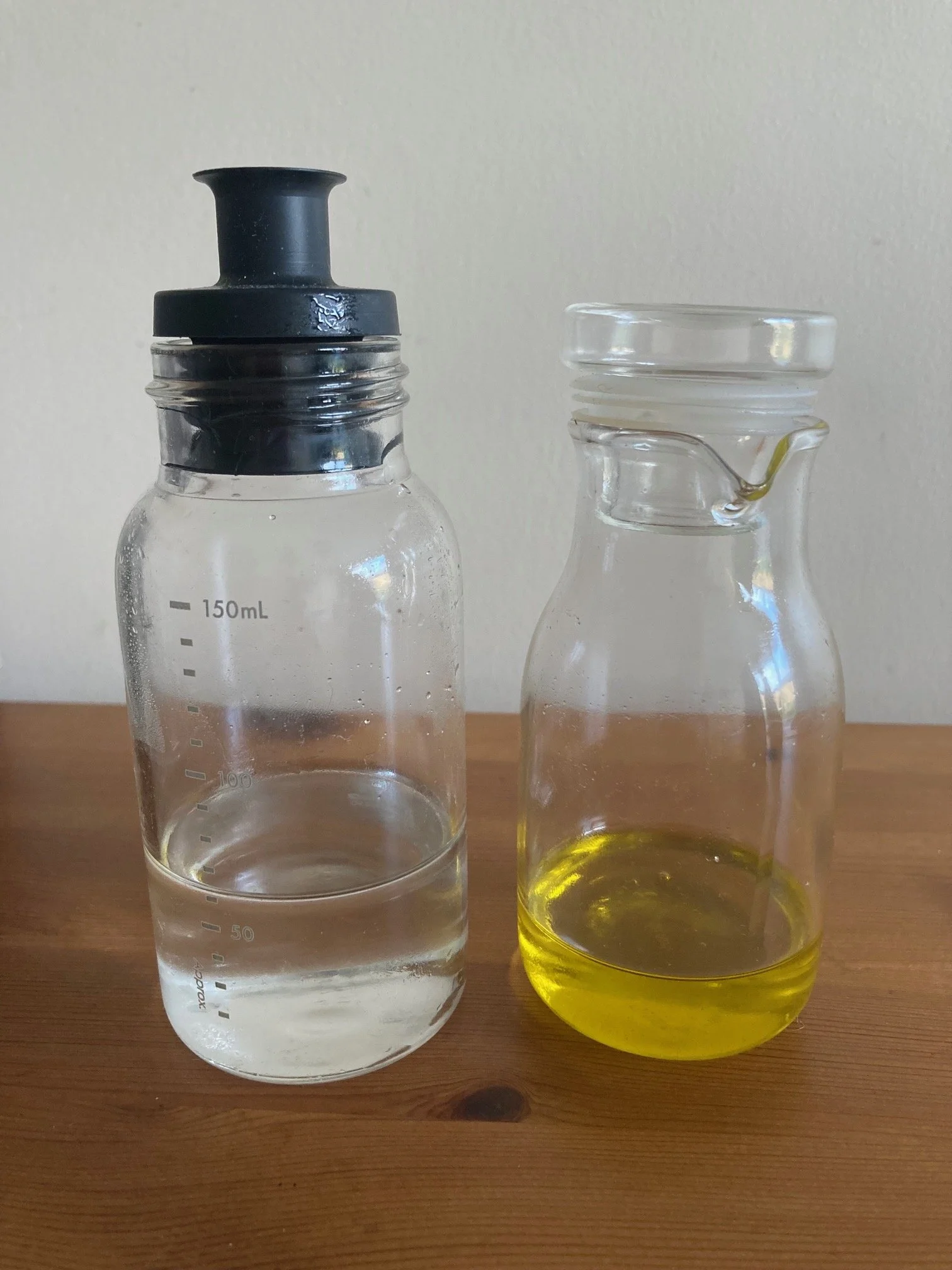
The base is the carrier oil. It controls how the fragrance moves through the reeds and how quickly it evaporates diffusion.
Here, I am using fractionated coconut oil as a carrier because it’s stable and diffuses well without needing added alcohol
Then comes the ratio. This is what determines intensity. A strong split is 60% carrier oil and 40% essential oils.
2. The Blend
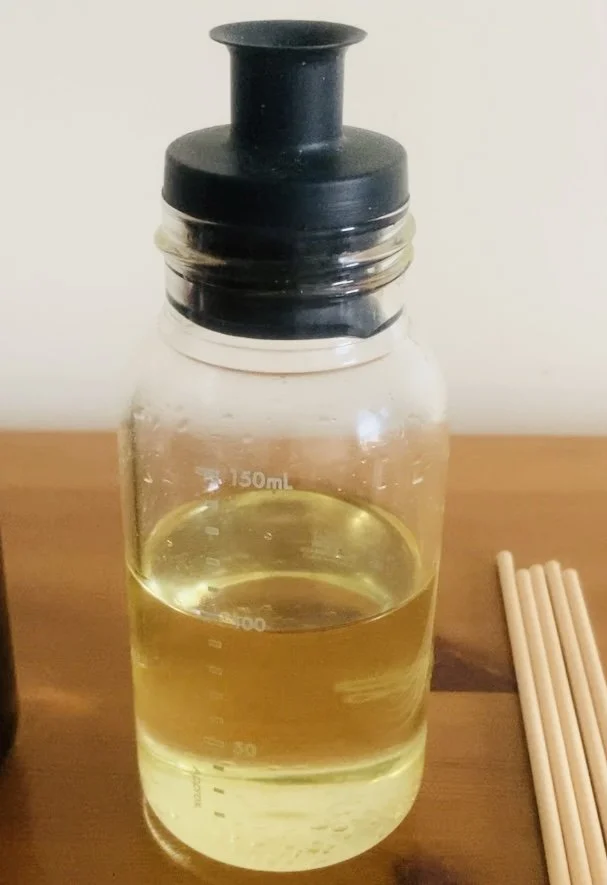
Not all essential oils behave the same. Some project quickly. Some linger.
The pairing is what makes the difference.
See The Blend Matters More Than You Think below.
3. The Jar and Headspace
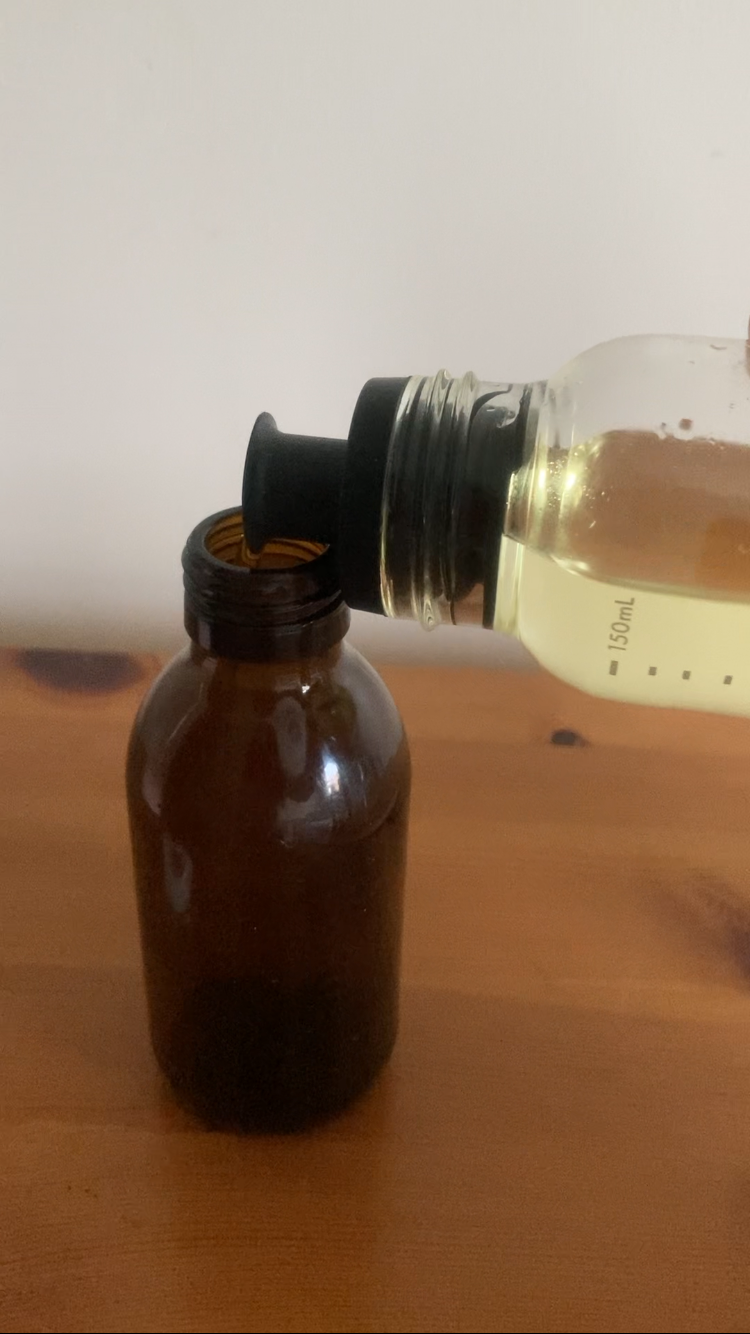
Amber glass helps shield the oils from light, which means the blend keeps its character for longer.
Leave a little space. like 30% from the The reeds need air to do their job properly.
4. Diffusion (Reeds)
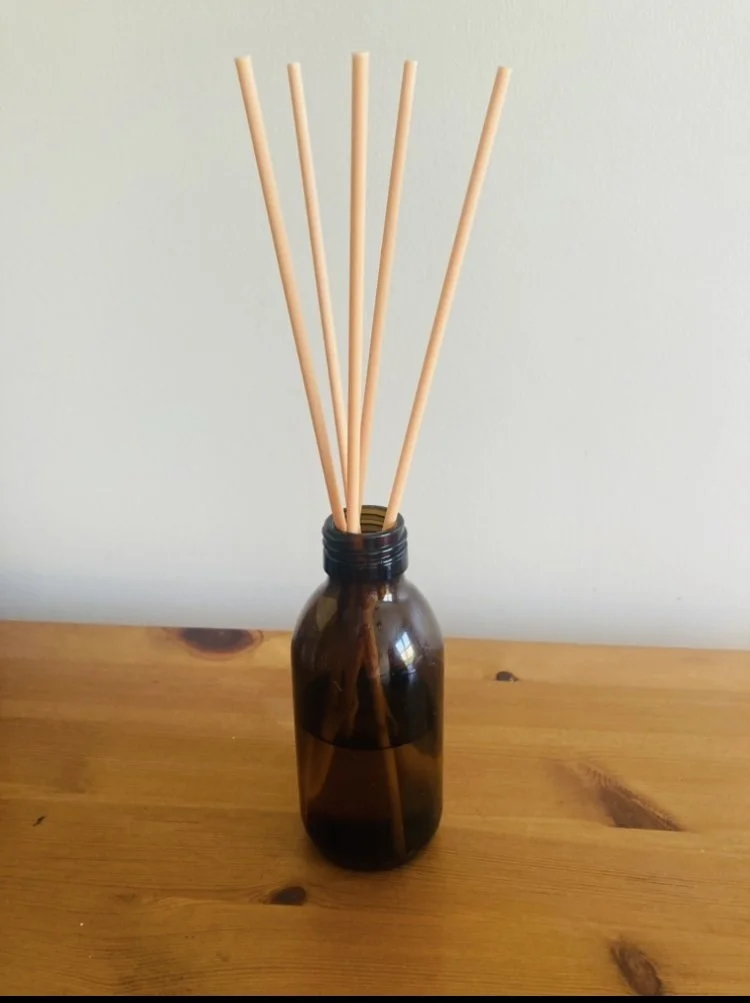
Reeds aren’t just decoration.
Cheap rattan reeds diffuse slowly and inconsistently. Good quality fibre reeds release fragrance more evenly.
More reeds = stronger scent. But also faster evaporation.
The Blend Matters More Than You Think
A diffuser doesn’t fade because it’s natural. It fades because dfferent oils evaporate at different speeds.
Some oils are bold and noticeable straight away. Others unfold more slowly.
The difference is what shapes the life of your blend.
Broadly you will notice 3 behaviours:
1. Sharp / High projection
They are the first thing you smell: Lemongrass, Eucalyptus, Peppermint.
2. Soft citrus
They are fresh but rounder and less piercing: Orange, Grapefruit, Lemon.
3. Grounding / Slower notes
They anchor the blend: Cedarwood, Patchouli, Vetiver.
What matters is how they work together.
If you want something strong and noticeable, you would pair a sharp oil with a grounding one so
Lemongrass + Rosemary (see recipe section below)
Eucalyptus + Cedarwood
If you want something softer but still stable you would pair a soft citrus with a grounding oil.
Orange + Cedarwood (see post on Are Plug-in good for your home)
Grapefruit + Patchouli
DIY Reed Diffuser: (Long Lasting formula)
What You’ll Need
This makes about 100 ml of diffuser blend.
60 ml (¼ cup) fractionated coconut oil (carrier)
40 ml essential oils :
Lemongrass: 25ml
Rosemary: 15ml
5 reed diffuser sticks
A 150ml amber glass jar
How I Make It
I am using a 60/40 ratio. 60% carrier base oil and 40% Essential oil.
Measure 15ml of rosemary and 25ml of lemongrass into a small ramekin or bowl.
PS: I personally find lemongrass quite sharp so if your nostrils like mine find it too sharp I would apply next a the 50- 50 split between rosemary and lemongrass to make it more balance.
Stir the oils gently to combine
Add 60ml fractionated coconut oil to your amber bottle or jar.
I use fractionated coconut oil it’s light and clear so you don’t need alcohol. If you’re using almond or another heavier carrier, add 1 tsp of alcohol to help the oils blend.
Pour in the essential oil blend and stir gently.
Let the blend sit for 30min.
Insert the reeds and allow them to soak for a few hours then flip.
PS: If you prefer a stronger presence you can add one or two more. just know that more reeds increase evaporation as well as intensity,
How do I use it
I tend to use this blend in the kitchen.
Lemongrass keeps it quite sharp and fresh which works well near cooking smells.
Rosemary keeps it from feeling flat so it does not just disappear after a few days. It is not a soft blend . it is fresh and noticeable.
Final Thought
For me the biggest shifts came from the carrier oil, the ratio and the reeds.
Once those were right, the scent held.
