The Most Common Home Fragrance Mistake
Most of the time, we don't realise our home has a "default" smell. We just simply get used to it.
You walk in from the street carrying cold air and the smell of the takeaway nearby but the hallway doesn't clear it.
You cook dinner, and three hours later the living room still holds the heat and the garlic.
You go to bed, and the air feels exactly the same as the kitchen.
Nothing smells bad but every room feels the same.
That’s usually because nothing is intentionally resetting the atmosphere from room to room.
Sometimes we rely on a single candle or diffuser to scent the whole house.Sometimes we don’t use fragrance at all.
Either way, the result is the same: the house settles into a lingering smell. But every room actually has a different job to do.
The hallway resets.
The kitchen neutralises.
The living room softens.
The bathroom refreshes.
The bedroom restores.
Here is how to actually map your home so it feels the way you want it to.
Hallway
= Reset
When you open the front door, does your brain actually switch off, or are you still carrying the street with you?
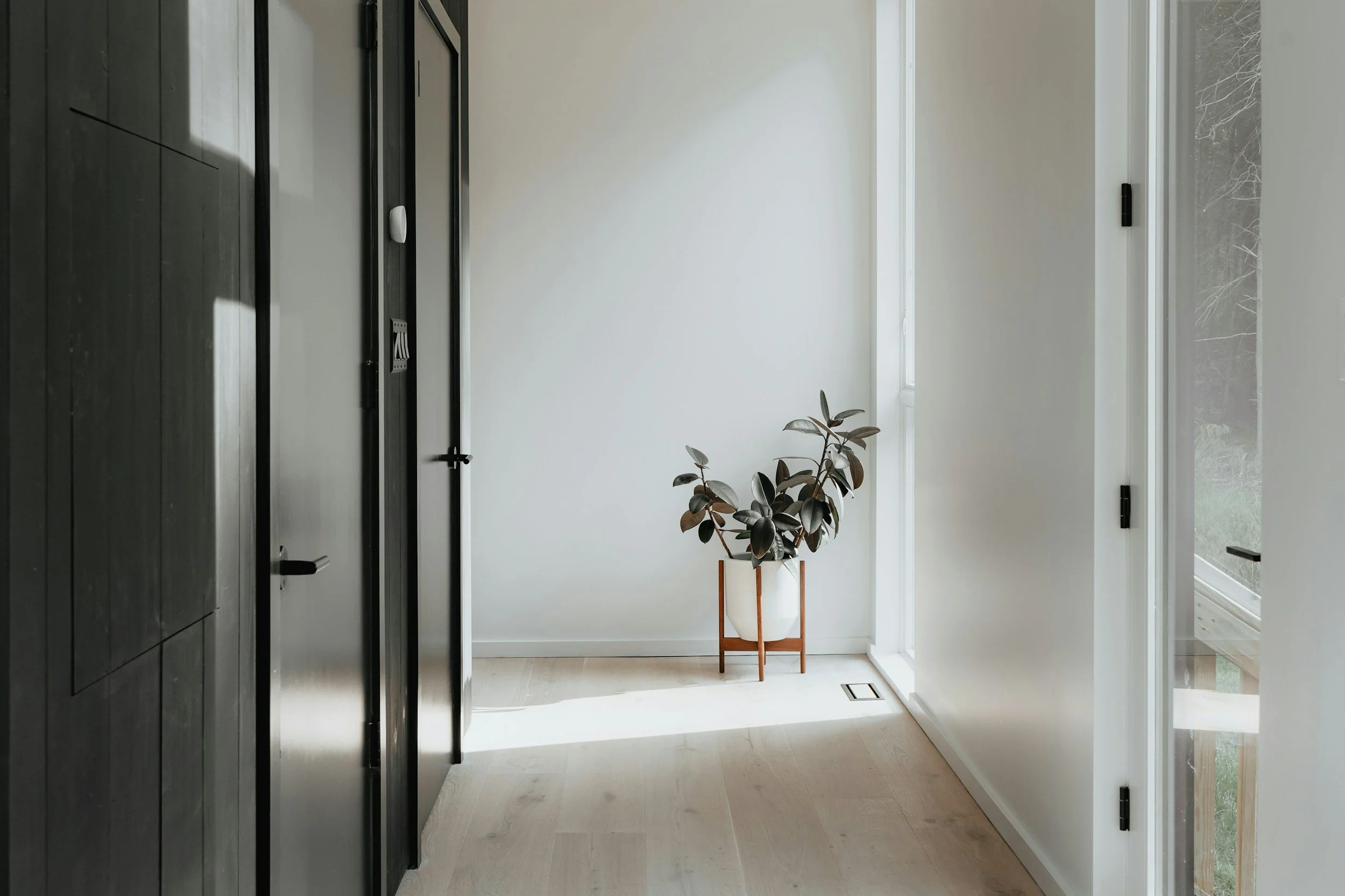
The hallway carries the outside in: shoes, coats, damp fabric, whatever the day held.
This space doesn’t need perfume. It needs to clear what you’ve brought in.
Bright citrus layered with a soft wood base works well: fresh enough to lift the air, grounded enough to feel composed.
If you want a starting point, I shared a citrus and sandalwood blend inspired by Jo Malone that works beautifully in an entrance space.
How to Make Your Home Smell Like Jo Malone
The hallway should feel like a shift, not something dramatic, just enough to signal you’re home.
2. Kitchen
= Neutralise
Is the kitchen still holding onto last night’s dinner?
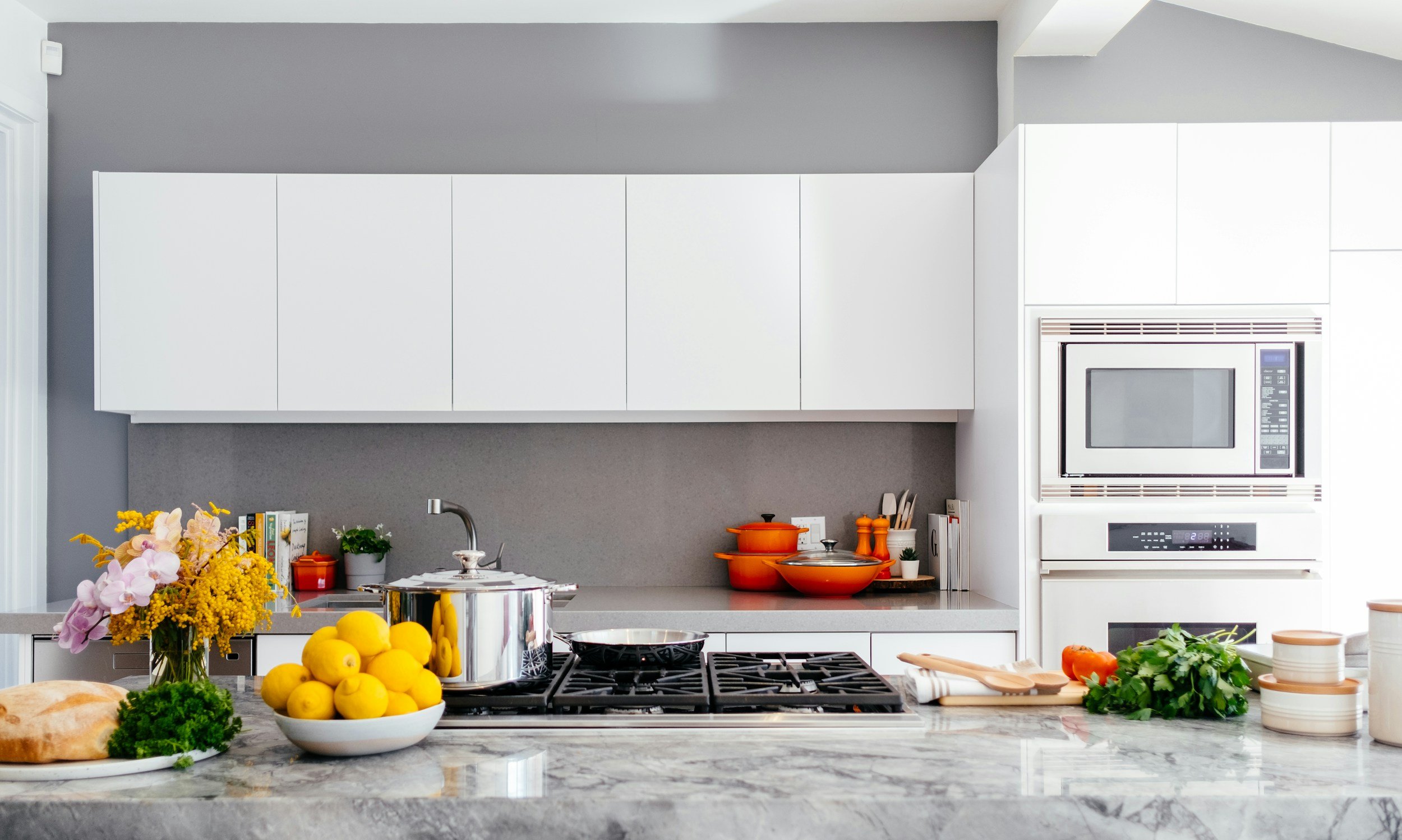
The kitchen isn’t about mood. It’s about what lingers: steam, garlic, roasted vegetables and sometimes even burnt food.
The goal here isn’t to mask, it’s to clear or neutralise the air.
A simple simmer pot often works better than a heavy candle.
I shared a Mediterranean simmer pot recipe here
How to Make Your Home Smell Good for Free
Herbal blends also work well in kitchens because they don’t compete with food. I often use lemongrass and rosemary in a homemade diffuser for that reason.
How to Make Your Homemade reed diffuser last
You can also go deeper with a subtle smoky note like cedarwood, vetiver or smoked tea to absorb lingering cooking smells.
3. Bathroom
= Refresh
Does the bathroom feel like a place to refresh, or just another utility room?
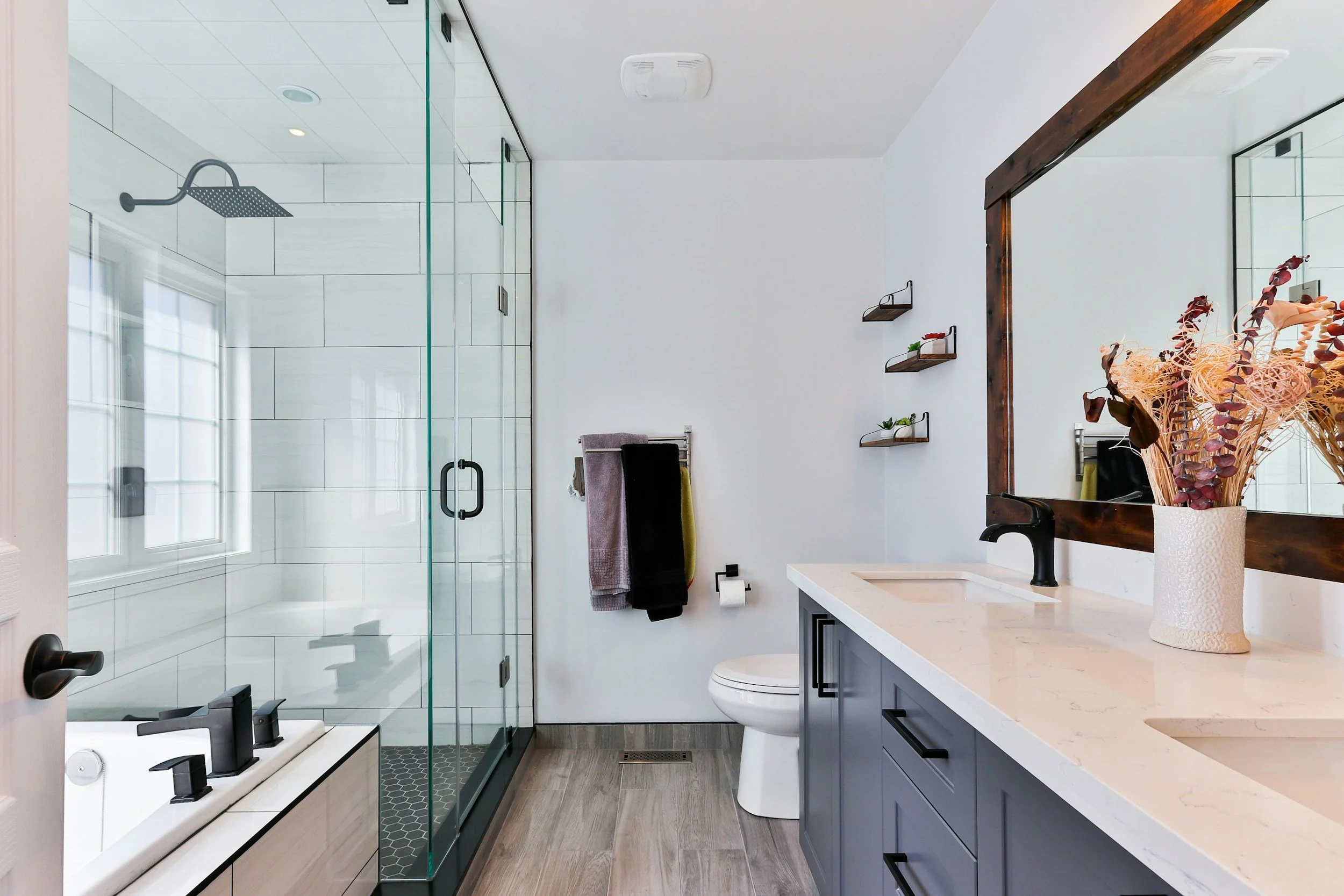
Even when it’s spotless, a bathroom can still feel slighly stale.
Humidity holds onto scent. Steam from showers, damp towels, cleaning products, all linger in the air, which means fragrance behaves differently here than in other rooms.
Because of this, many people try to mask the air with strong scents, but often makes the space feel heavier rather than fresher.
That’s why subtle placements usually work better. A few drops of essential oil where fabric or cotton can hold it: is often enough : inside the toilet roll, on a towel, or a cotton ball.
I often place a few cotton balls with essential oil in a ramekin on top of the bathroom cabinet. It stays out of sight but gently scents the room.
If you’re curious about the scent blend I use you can find it here:
Ever Heard of The Cotton Ball Hack
If you want the bathroom to feel more like a spa rather than just clean, herbal work particularly well.
I shared a room spray inspired by Cowshed style spa here:
How to Make Your Bathroom Smell like a Spa
4. Living Room
= Soften
Does the lounge feel like a space to switch off, or is it just a room with a sofa?
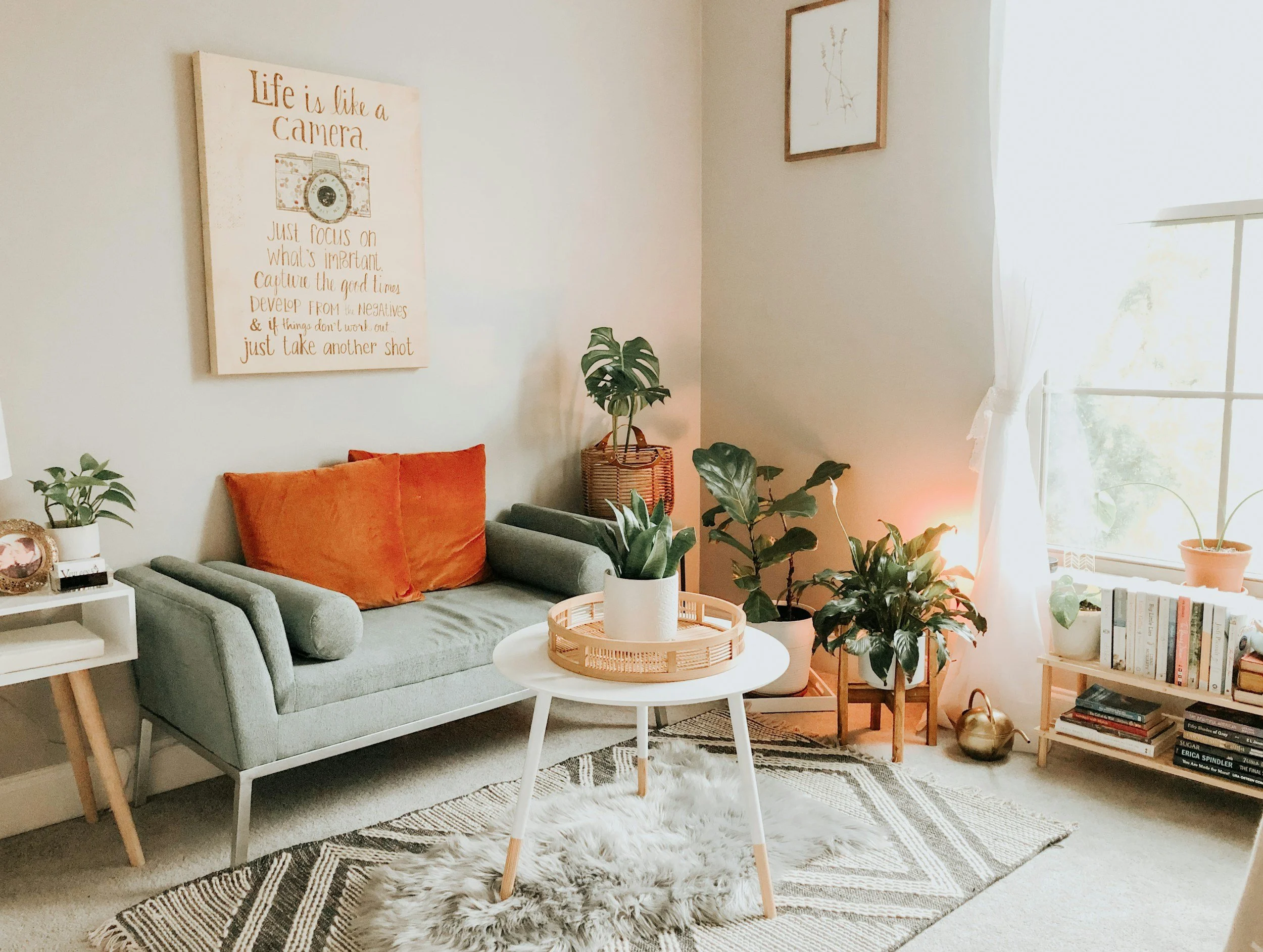
The living room usually doesn’t have an odour problem. It has an atmosphere problem.
If it smells like nothing, the space can feel unfinished.
This is where warmer notes make sense like cedarwood, orange, sandalwood. Soft woods layered lightly help the room feel calmer and more grounded.
If you are replacing plug-in fragrances, I shared how I make a cedarwood and orange reed diffuser that sits quietly in the background.
Are Plug-in fresheners actually good for your home?
And if you prefer a more elevated mood, I also wrote about creating a Soho House–inspired blend for your diffuser at home.
How to create a Soho House–inspired atmosphere in your home
This is where scent becomes part of the room’s personality.
5. Bedroom
= Restorative
Does the air in the bedroom actually tell your brain it’s time to sleep?

The bedroom is where the day should slow down.
If the air feels the same as the rest of the house, your mind often stays in “day mode”.
This space isn’t just about scent. It’s about signals that tell the body it’s time to switch off.
Soft scents like lavender, chamomile or light woods can help but they work best when they’re part of a small evening routine.
I wrote about three evening signals that help the body wind down before sleep here:
Better Sleep Starts Before Bed
Beyond the evening ritual itself , subtle scent in fabrics can also support that calmer atmosphere. Homemade sachets are a simple way to keep linens and wardrobes lightly scented. I shared a simple quince and lavender drawer sachet here:
Quinces Like You’ve Never Used Them Before
The bedroom should feel restorative.
Final thought
Home fragrance isn’t only about making a space smell nice.
It’s about helping each room feel the way it’s meant to feel.
When scent supports the function of a space, the house starts to flow naturally from one moment of the day to another.
And that’s when a home begins to feel truly comfortable.